Palm Oil Is Here to Stay. The Real Question Is: How Should It Be Grown?
July 7, 2026
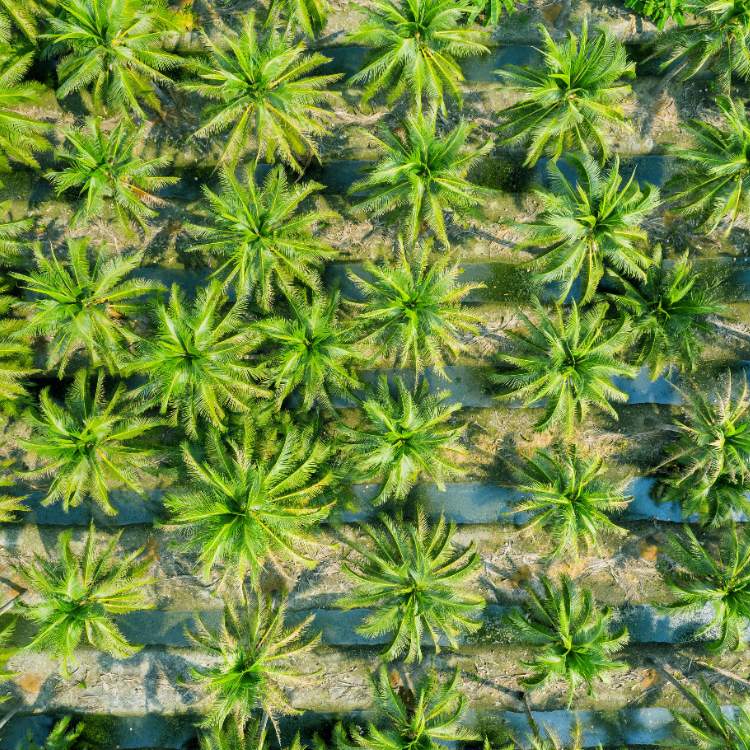
Palm oil remains one of the world’s most debated agricultural commodities. Yet despite the conversations around alternatives and replacement crops, one reality remains clear: global demand for edible oils continues to grow. As populations increase, consumption patterns change, and food systems expand, the need for productive oil crops is only increasing.
The challenge, therefore, is not simply about replacing palm oil. The challenge is producing it responsibly.
Why Replacing Palm Oil Is More Complex than It Sounds. Oil palm produces significantly more oil per hectare compared to many alternative oil crops. Replacing palm oil entirely would require substantially larger land footprints from alternative crops to produce equivalent volumes. This is why many agricultural conversations today are moving beyond whether palm oil should exist and focusing instead on where and how it should be cultivated.
The Indian Context Is Different,
In India, oil palm expansion follows a very different narrative from many global perceptions. Oil palm cultivation in India is being promoted primarily as a horticulture crop, largely on existing agricultural land rather than through forest conversion.
The objective is straightforward:
* Reduce dependence on imported edible oils
* Improve domestic production capacity
* Support farmer incomes through high-value crops
* Strengthen national edible-oil security
For India, the conversation is not about replacing forests with plantations. It is about reducing import dependence while utilizing suitable agricultural landscapes more efficiently. Building Responsible Growth, as India works toward greater self-reliance in edible oils, responsible expansion becomes increasingly important.
This means:
* Supporting farmers with technical guidance
* Encouraging sustainable cultivation practices
* Improving productivity rather than unnecessary land expansion
* Creating long-term value chains that benefit both farmers and consumers
Looking forward, palm oil is likely to remain an important part of global food systems.
The more important question is not whether it exists.
The more important question is whether it is grown responsibly, sustainably, and in ways that create long-term value for farmers, consumers, and the environment.
For India, that conversation is only beginning.

6-3-569/2, 1st & 3rdFloor, Rockdale, Somajiguda,
Hyderabad, 500082
Telangana, India.

